

Language
- AED
- USD
- CNY
- EUR
- RUB
Residence Visa
Residence Visa & Emirates ID
What Do You Need to Live in the UAE?
UAE Residence Visas and Emirates ID
How Can You Obtain a UAE Residence Visa and Emirates ID?
Common routes to UAE residency include:
- Employment sponsorship – through an eligible employer.
- Business ownership – through a qualifying company or investor arrangement.
- Property ownership – subject to the relevant property value and visa eligibility requirements.
- Family sponsorship – through an eligible UAE resident who meets the sponsorship criteria.
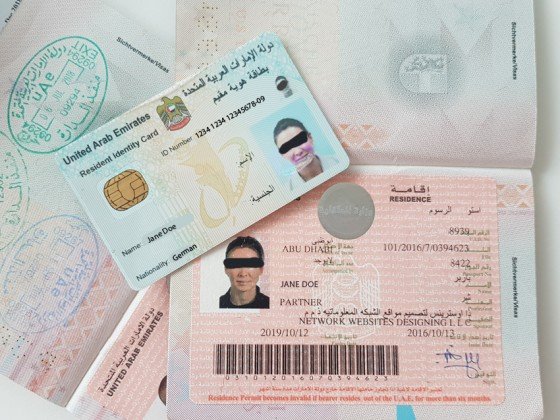
1. Residence Visa for Business Owners and Partners
If you establish or become a partner in a qualifying UAE company, you may be eligible to apply for residence through the business, subject to the relevant licensing and immigration requirements. Free zone authorities often provide online application systems, while mainland companies may require additional coordination with government departments. The process can involve several stages, document submissions, medical fitness screening, and identity registration. Working with an experienced business setup or immigration service provider can help you understand the requirements and prepare the necessary documentation.
2. Residence Visa for Employees
Foreign nationals employed by eligible UAE companies can generally obtain residency through employer sponsorship. The employer typically coordinates the relevant work permit and residence application procedures, while the employee must provide the required documents and complete the necessary formalities. Eligible employees may also be able to sponsor qualifying family members, provided they meet the applicable income, accommodation, and documentation requirements.
3. Residence Visa for Property Owners
Property ownership may provide a route to UAE residency through specific property-linked visa categories. Eligibility depends on factors such as the property's value, ownership status, location, and the requirements of the relevant authority. Different visa categories have different criteria, and property ownership does not automatically guarantee residency. Prospective buyers should verify the current eligibility rules before making a purchase based on residency plans.
4. Residence Visa for Family Members
Eligible UAE residents may sponsor certain family members, including a spouse and children, and in some circumstances parents or other dependants. Approval depends on the sponsor's residency status, income, accommodation, relationship documentation, and the requirements applicable to the specific case. Age limits and other conditions may differ depending on the relationship and the relevant visa category. Applicants should confirm the current rules before submitting an application.
Understanding the Process
UAE Residence Visa Application Procedure
1. Entry Permit or Initial Approval
Depending on the applicant’s circumstances, an entry permit or initial approval may be required before proceeding with residency formalities. Processing times and validity periods vary by application type and issuing authority.
2. Medical Fitness Test
Applicants in relevant age groups and visa categories are generally required to complete a medical fitness examination at an approved centre. The examination may include blood tests and a chest X-ray, according to the applicable requirements.
3. Emirates ID Application
Applicants typically submit an Emirates ID application as part of the residence process. Biometric registration, including fingerprints and a photograph, may be required depending on the applicant’s age and circumstances.
4. Residence Permit Issuance
After the required checks, medical screening, and documentation are completed, the residence permit can be issued if the application is approved. Current UAE residency is generally managed electronically rather than through the traditional passport visa-stamping process.
Important: This information is provided for general guidance only. QIC Realty’s visa-related assistance, if applicable, is offered in connection with company setup services. Eligibility, fees, procedures, and processing times should be confirmed with the relevant UAE authority.
Who Can You Sponsor?
Family Sponsorship and Domestic Workers
Sponsoring Family Members
To sponsor eligible family members, a UAE resident generally needs a valid residence permit and must meet the applicable financial and accommodation requirements. Supporting documents may include proof of relationship, such as a marriage certificate or birth certificate, along with other documents requested by the relevant authority.
Foreign-issued certificates may need to be attested and translated into Arabic or another accepted language, depending on the authority’s requirements.
The eligibility criteria for sponsoring a spouse, children, parents, or other dependants can differ. Additional conditions may apply in certain circumstances, including cases involving female sponsors, so applicants should confirm the current requirements before starting the process.
Sponsoring Domestic Workers
Sponsorship of domestic workers is subject to separate eligibility criteria and immigration procedures. Requirements may include minimum income, suitable accommodation, an eligible sponsor, an approved employment arrangement, and the necessary supporting documents.
The permitted employment arrangements, visa validity, and documentation requirements can vary according to the domestic worker’s role and the relevant authority. Applicants should check the current rules before making arrangements.
Sponsorship Costs
The total cost of sponsoring a family member or domestic worker depends on the visa category, emirate, application channel, medical examination, Emirates ID, insurance, and any applicable service fees.
Because charges and requirements can change, applicants should request an up-to-date fee breakdown from the relevant immigration authority or an authorised service provider before submitting an application.