

Language
- AED
- USD
- CNY
- EUR
- RUB
Working and Living in Dubai
Living in Dubai
A Dynamic Arab Metropolis
Living and Working in Dubai
Dubai has developed from a historic coastal trading and fishing settlement into a major international city known for its modern architecture, business opportunities, tourism, and diverse lifestyle. The city attracts entrepreneurs, professionals, investors, and families from around the world.
Dubai’s development has been shaped by its leadership, investment in infrastructure, and efforts to establish the emirate as a global center for commerce, tourism, real estate, and innovation.
With a large international population, Dubai offers a multicultural environment where people from many countries live and work together. This diversity can be seen in its residential communities, shopping destinations, restaurants, workplaces, and entertainment venues, creating a distinctive blend of international influences and Emirati traditions.
Communicating in Dubai
Although Arabic is the official language of the UAE, English is widely used in Dubai for business, tourism, shopping, and everyday communication. The city’s international workforce and diverse population make it relatively convenient for newcomers to communicate and navigate daily life. Arabic and English are commonly used in official and business contexts, although language requirements can differ depending on the type of document, transaction, or government procedure. For important legal agreements and official documentation, it is advisable to confirm the applicable language requirements with the relevant authority or a qualified professional.
A City of Remarkable Landmarks
Discover Dubai’s Iconic Attractions
Dubai is known for its impressive architecture, ambitious developments, and world-famous attractions. From the towering Burj Khalifa to luxury hotels and expansive shopping destinations, the city offers visitors a wide range of memorable experiences.
The Burj Khalifa dominates the skyline, while the JW Marriott Marquis Hotel is another prominent feature of Dubai’s architectural landscape. Visitors can also explore the historic Deira Gold Souk, where traditional gold markets showcase an extensive selection of jewelry and precious metals.
Dubai Mall is a major destination for shopping, dining, and entertainment, offering a wide variety of international brands and attractions. Nearby, the Dubai Fountain provides a spectacular water and light show against the backdrop of the Burj Khalifa.
Looking for more ways to explore the city? Dubai Metro offers convenient transport across many popular districts, making it easier to visit attractions, shopping areas, and business centers. The Dubai Aquarium and Underwater Zoo is another popular destination for families and visitors.
From record-setting architecture to cultural markets and modern entertainment, Dubai continues to attract people looking for distinctive experiences in one of the UAE’s most recognized cities.
Is Dubai a Safe Place to Live?
Safety and Security in Dubai
Dubai places considerable emphasis on public safety, law enforcement, and maintaining a secure environment for residents, visitors, and businesses. Its international population and established tourism industry make safety an important part of the city’s daily operations.
The UAE has laws covering public conduct, property offences, immigration, and other criminal matters. Penalties depend on the nature of the offence, the circumstances, and the applicable legislation. Residents and visitors should familiarize themselves with local laws and understand that certain activities may be treated differently than in their home countries.
Immigration consequences, including deportation in applicable cases, may also arise depending on the offence and the individual’s circumstances.
For anyone considering moving to Dubai, understanding local regulations, respecting cultural expectations, and following official guidance can help support a smooth transition to life in the UAE.
What Is Life Like for Women in Dubai?
Living and Working as a Woman in Dubai
Dubai is home to women from many nationalities and backgrounds who live, work, study, and build businesses across a wide range of industries. The city offers opportunities for professional development, entrepreneurship, education, and an active social life.
Women can drive, pursue careers, establish businesses, and choose from a variety of clothing styles, subject to applicable laws and cultural expectations. Many international women live independently in Dubai and participate in its diverse professional and social communities.
Respectful behavior and personal safety are important considerations in any city. The UAE has laws addressing harassment, inappropriate conduct, and violations of personal privacy. Penalties depend on the specific circumstances and applicable legislation, so residents and visitors should consult official guidance when necessary.
As a woman planning to relocate, it is helpful to understand local customs, workplace policies, residency requirements, and the laws governing public behavior. These considerations can help you make informed decisions about living and working in Dubai.
Overall, Dubai offers a multicultural environment with a broad range of lifestyle and career opportunities for women, although individual experiences may vary depending on personal circumstances, employment, and location.
What Is Permitted and What Is Restricted?
Alcohol Regulations in Dubai
Alcohol is available in Dubai through licensed hotels, restaurants, bars, and authorized retail outlets, subject to applicable regulations. Eligible non-Muslim residents and visitors can access alcohol through permitted channels, although purchasing requirements may vary by location and individual circumstances.
Alcohol consumption is generally restricted to licensed venues and other legally permitted settings. Drinking in prohibited public areas, behaving disorderly while intoxicated, or violating local regulations may result in legal consequences.
Driving under the influence of alcohol is prohibited in the UAE. Anyone planning to drive should avoid consuming alcohol and comply with the country’s strict road safety laws.
Before purchasing or consuming alcohol, residents and visitors should check the latest official regulations and follow the requirements applicable to their location and circumstances.
Looking for Something to Do?
Leisure and Activities in Dubai
Dubai offers a wide variety of leisure activities for residents and visitors of all ages. From iconic landmarks such as the Burj Khalifa and the Dubai Fountain to modern shopping malls, entertainment venues, and cultural attractions, there is always something new to explore. Those who enjoy nightlife can also find a selection of clubs, lounges, and late-night entertainment venues.
Families have plenty of options for spending quality time together, including public beaches, cinemas, theme parks, waterfront destinations, and spacious playgrounds. Whether you prefer outdoor adventures, shopping, dining, or family-friendly entertainment, Dubai offers activities to suit different interests and lifestyles.
What Does It Cost to Live in Dubai?
Understanding the Cost of Living in Dubai
The cost of living in Dubai depends on your lifestyle, housing preferences, transportation needs, and daily expenses. Accommodation, dining, education, healthcare, and leisure activities can all influence your monthly budget. While some expenses may be higher than in other cities, residents can choose from a wide range of options to suit different budgets.
Compared with cities such as Munich and Hamburg, overall living costs vary depending on the expense category and individual circumstances. Before relocating, it is helpful to estimate your expected housing, transportation, and everyday living expenses to build a realistic budget.
A Tax-Friendly Environment?
Understanding Taxes in Dubai
The UAE does not impose personal income tax on individuals, making Dubai an attractive destination for professionals, entrepreneurs, and international residents. However, other taxes and regulatory requirements may apply depending on personal circumstances and business activities.
The standard VAT rate is 5% on most taxable goods and services. UAE corporate tax also applies to businesses under specific rules, with a 0% rate on taxable income up to AED 375,000 and a standard 9% rate on taxable income above that threshold. Eligible free zone businesses may benefit from a 0% corporate tax rate on qualifying income if they meet the required conditions.
U.AE
+2
Although individuals generally do not pay personal income tax in the UAE, businesses may still have tax registration, reporting, and filing obligations. Anyone planning to establish a company should review the latest requirements and seek professional advice where necessary.
What About Fuel Costs?
Driving in Dubai
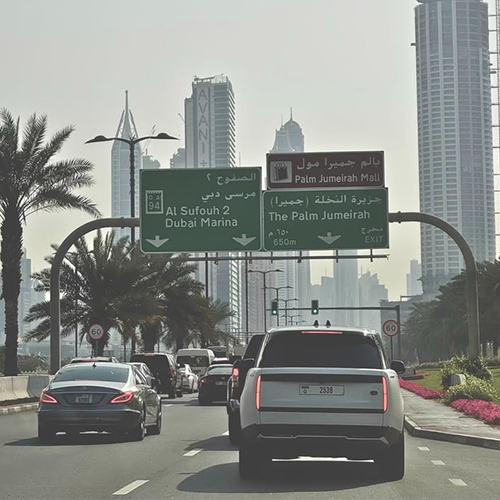
Driving is a common way to get around Dubai, with an extensive road network and fuel prices that are adjusted periodically. The overall cost of owning a vehicle depends on the model, purchase price, insurance, maintenance, parking, and fuel consumption. Comparing these expenses before purchasing a car can help you plan your transportation budget.
Visitors may be permitted to drive using a valid foreign driving licence, depending on their nationality, licence, and applicable regulations. Residents who obtain UAE residency may need to exchange their existing licence for a UAE driving licence or complete the required licensing process. Eligibility for direct exchange, testing requirements, and fees varies by country and individual circumstances.
Before driving in Dubai, check the current requirements with the relevant UAE licensing authority and make sure your licence and vehicle insurance are valid.
Healthcare Services in Dubai
Medical Care in Dubai
Dubai offers a broad range of healthcare services, including public and private hospitals, medical centres, specialist clinics, and international healthcare providers. Residents and visitors can access medical care across various specialties, with facilities and services available at different price levels.
Health insurance requirements, coverage, and out-of-pocket costs depend on residency status, insurance policies, and the provider selected. Before moving to Dubai, it is worth reviewing available healthcare options and confirming which services are covered by your insurance.
Can Foreigners Purchase Property?
Buying Real Estate in Dubai
Dubai offers property ownership opportunities for foreign buyers in designated freehold areas. Available options include apartments, villas, townhouses, and beachfront properties, with choices across a range of locations, budgets, and lifestyles.
Before purchasing a property, buyers should review the ownership rules for the specific area, associated fees, registration requirements, and any applicable financing conditions. Working with a qualified real estate professional can help you understand the process and identify properties that match your investment goals or residential needs.